
About Us
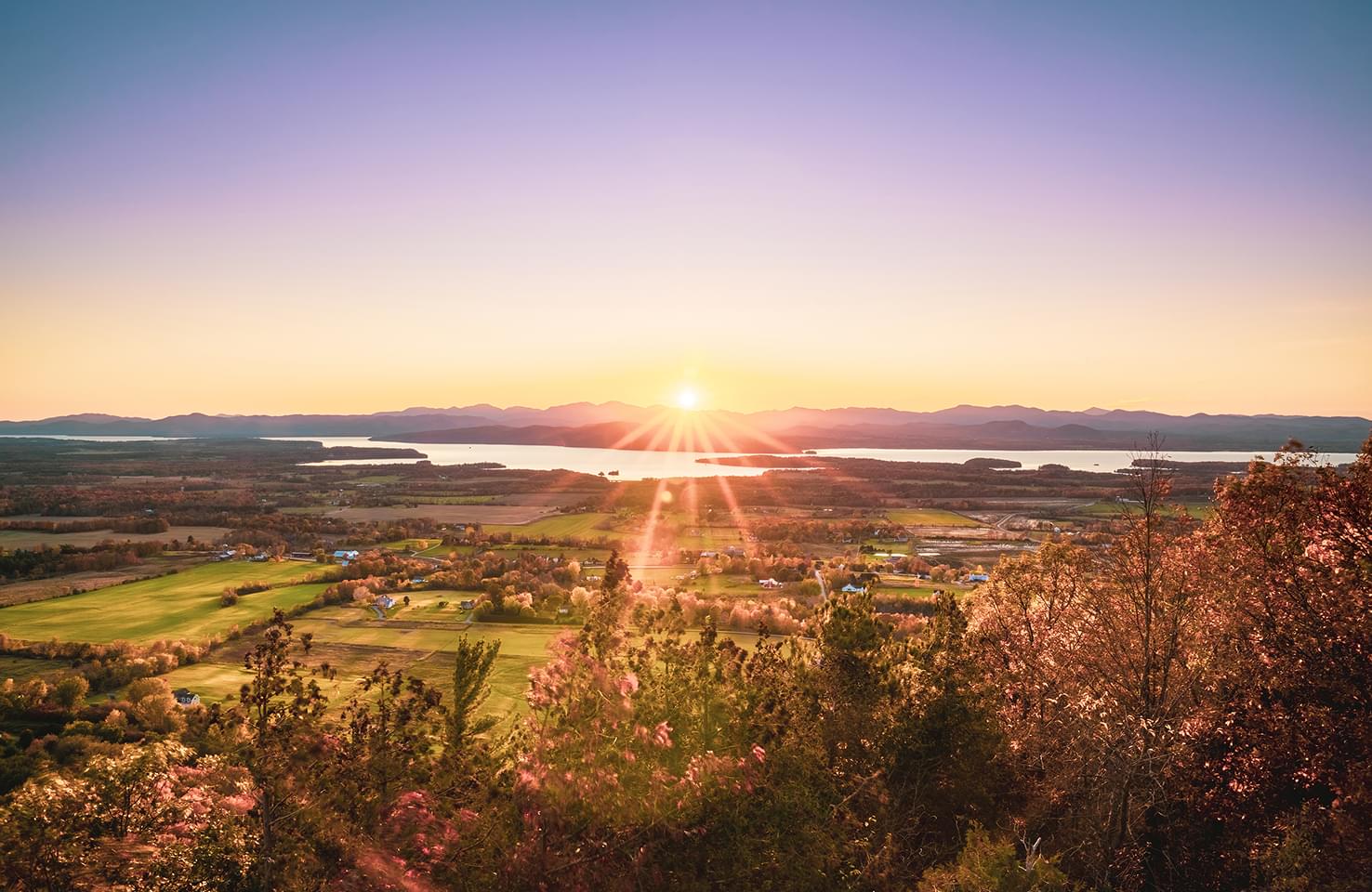
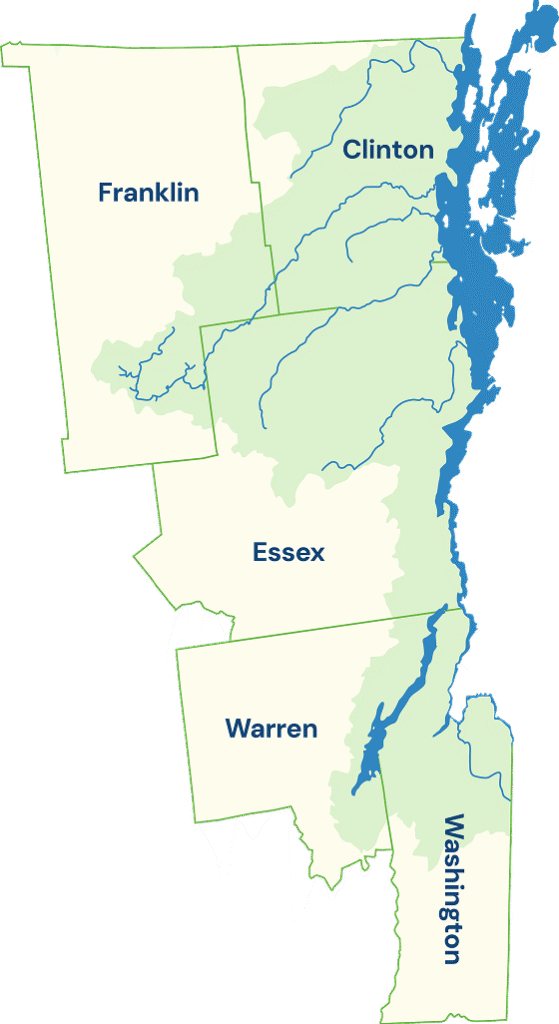
The Champlain Watershed Improvement Coalition of New York (CWICNY) was formed by the five New York counties within the Lake Champlain Basin to advance water quality improvement efforts across the region.
Bringing together representatives from county Soil and Water Conservation Districts, Water Quality Coordinating Committees, and the Lake Champlain–Lake George Regional Planning Board, CWICNY works across political boundaries to deliver projects that benefit the watershed as a whole. Our approach is rooted in collaboration—uniting public agencies, private partners, and local communities.
Why It Matters
Lake Champlain is recognized as a “Resource of National Significance” under the 1990 Lake Champlain Special Designation Act. In response, a long-term watershed plan—Opportunities for Action—was developed to guide restoration efforts.
A central priority of this plan is reducing phosphorus pollution, the primary driver of harmful algal blooms. Excess phosphorus can:
- Degrade water quality and aquatic habitat
- Impact drinking water supplies
- Reduce recreational use and scenic value
- Affect local economies and property values
The Challenge
Phosphorus enters the lake from a variety of land uses across the watershed:
- Agriculture (15% of land) → ~55% of nonpoint phosphorus load
- Developed land (6%) → ~37% of nonpoint phosphorus load
- Forested land (75%) → ~8% of nonpoint phosphorus load
Much of this pollution comes from nonpoint sources—such as runoff from farms, roads, and developed areas—which account for roughly 80% of total phosphorus inputs.
Our Mission
CWICNY works to reduce phosphorus loading across the New York portion of the Lake Champlain watershed by implementing targeted projects and best management practices. Through collaboration, planning, and on-the-ground action, we are helping to protect water quality, strengthen ecosystems, and support healthier communities throughout the region.
“Clean water is not a luxury. It is a necessity.”
Ban Ki-moon