
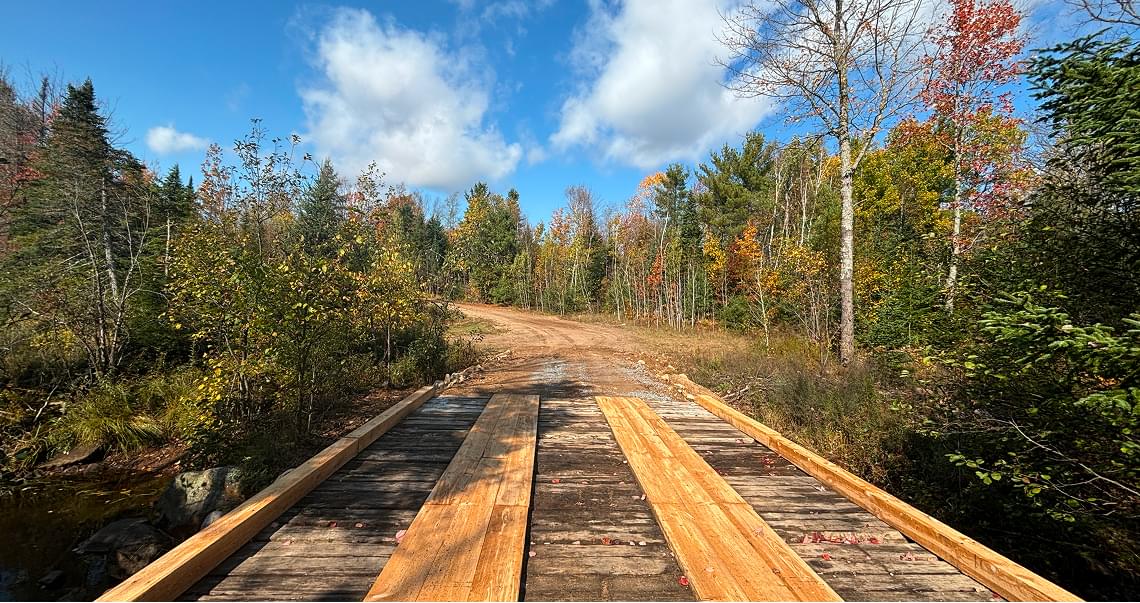
Forests play a vital role in the health of the Lake Champlain watershed — naturally filtering water, protecting habitat, and reducing flood impacts. However, poorly managed forestry practices can contribute to sediment and phosphorus runoff, particularly from unstable roads, stream crossings, and soil disturbance during timber harvests.
When sediment enters waterways, it carries phosphorus that can fuel harmful algal blooms. The loss or degradation of riparian buffers further reduces natural filtration, destabilizes streambanks, and increases water temperatures, stressing aquatic ecosystems.
Climate change is intensifying these challenges. Heavier rainfall, rain-on-snow events, and aging infrastructure increase the risk of erosion, while invasive pests like the emerald ash borer and hemlock woolly adelgid threaten forest health and stream shading.
Reducing Impact Through Better Practices
Landowners, forest managers, and loggers play a key role in protecting water quality by applying proven best management practices, including:
- Careful harvest planning and reduced soil disturbance
- Maintaining strong riparian buffers
- Proper installation and maintenance of forest roads and stream crossings
- Upgrading undersized culverts and stabilizing disturbed areas can further reduce erosion during extreme weather events.
By working with conservation partners and managing forests for long-term resilience, the forestry community helps protect streams and advance water quality goals across the watershed.
-
Featured Project
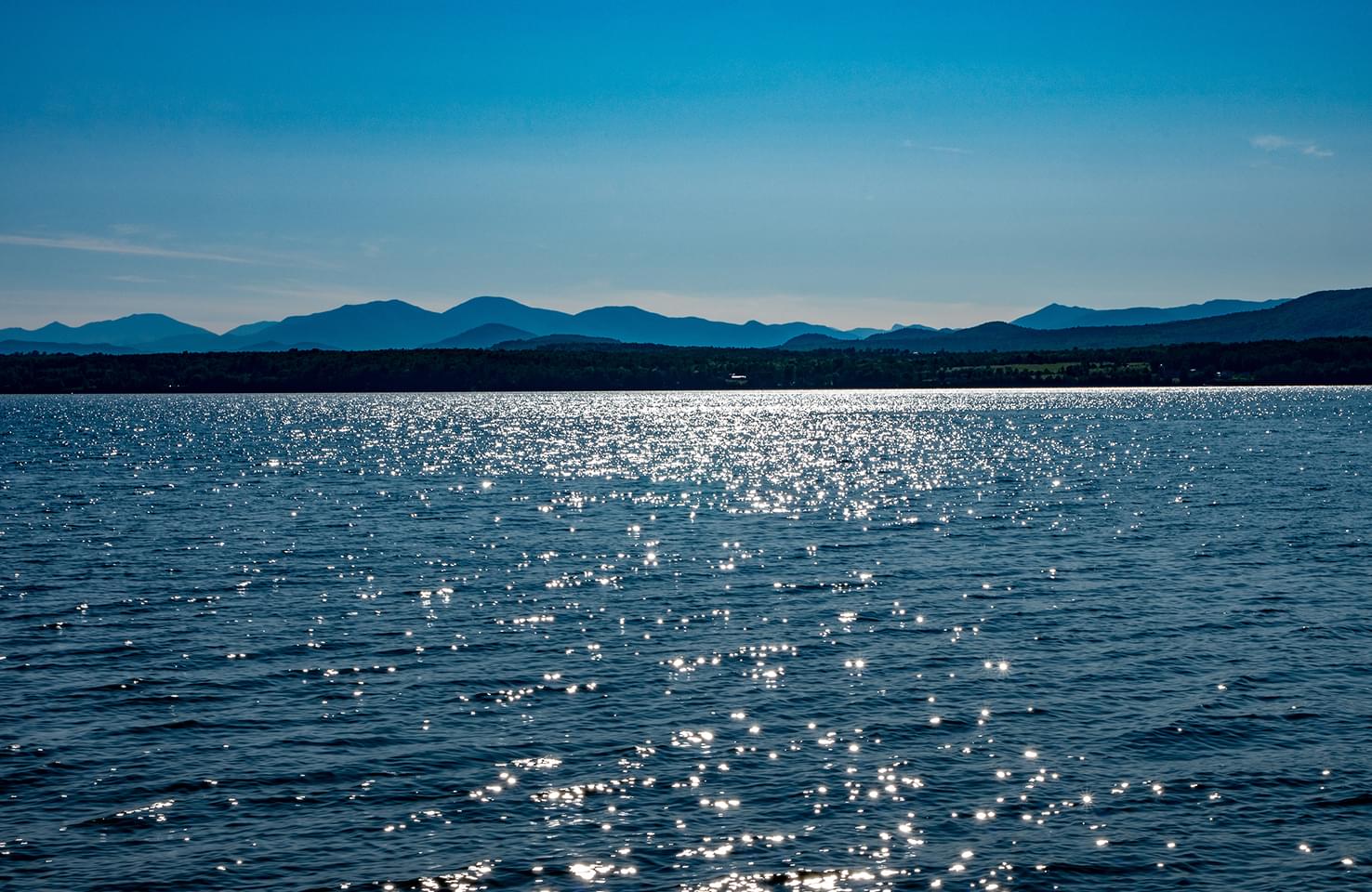
Lake Champlain Nonpoint Source Pollution Project
Read Full Story: Lake Champlain Nonpoint Source Pollution Project